Mecharashi Mobile Guide: Beginner Tips, Reroll Advice, Pilots, Mechs, and Tactical Progression
Mecharashi Mobile is the kind of game that immediately clicks if you like tactical RPGs, giant robots, and slow, thoughtful combat instead of button-mashing. At first glance, it looks like a stylish mecha gacha game, but once you actually start playing, the real hook is the battlefield decision-making. You are not just sending a robot forward and watching damage numbers pop up. You are choosing which enemy part to break, how to position your squad, which pilot fits which mech, and whether your current loadout can survive longer fights.
From a player’s point of view, the best thing about Mecharashi Mobile is that it rewards planning. A good pilot in the wrong mech can feel awkward. A strong mech with bad modules can underperform. A team full of damage dealers may clear easy missions quickly, but the moment a boss starts punishing your positioning, you suddenly wish you had a proper tank, support, or utility unit. That is why this guide focuses on practical progression: what new players should do first, how rerolling works, which pilots and mechs are worth watching, and how to avoid wasting resources early.
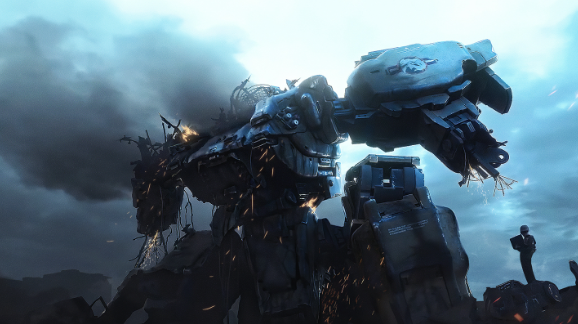
I. Mecharashi Mobile Overview
Mecharashi Mobile is a mecha tactical RPG with gacha elements, turn-based combat, pilot development, and deep mech customization. Instead of controlling fantasy heroes or simple card units, you build squads around pilots and ST-style mechs, then send them into tactical battles where positioning, range, parts, modules, and weapon choices matter. The game has a very strong “war chess with robots” feeling, which makes it stand out from many mobile RPGs that rely mostly on auto-combat.
The core game type is a mecha tactical RPG mixed with pilot and mech collection. You pull for pilots and mechs, improve them over time, and combine them into specialized roles. Some units are better at sniping, some are better at frontline pressure, some focus on repairs or support, and some are built to break key enemy parts. This gives the game more depth than a normal stat-check gacha.
The mobile version stands out because it brings a proper tactical mecha experience into a format that can be played daily. It is not just about flashy animations. The part-destruction system, modular builds, and pilot-mech synergy make each upgrade feel meaningful. If you enjoy thinking through your moves instead of rushing through stages, this is the kind of mobile game that can keep you engaged for a long time.
II. Gameplay and Combat System
Combat in Mecharashi Mobile is turn-based and grid-focused. You move your units, choose targets, manage attack range, and decide which enemy needs to be disabled first. The most important system is part destruction. Enemy mechs are not just one health bar. Their body, arms, legs, and other parts can be damaged or destroyed. Breaking the right part can change the whole fight. If you destroy a weapon arm, the enemy may lose offensive power. If you break legs, you can limit movement. If you destroy the body, you usually end the target.
Mecha customization is another major layer. You can change loadouts, weapons, modules, and parts to match your pilot’s strengths. A mech that works beautifully for one pilot may feel average on another. That is because pilots bring active and passive skills, while mechs bring stats, module effects, weapon compatibility, and role identity. When both sides fit together, the unit feels much stronger than its raw rarity suggests.
This is why Mecharashi Mobile feels more tactical than many gacha games. You are not only asking, “Who is the strongest?” You are asking, “Who can use this mech properly, who can break the right part, who can survive enemy pressure, and who makes the rest of my team better?”
III. Beginner Guide
New players should first focus on clearing the main story, unlocking core systems, and building one reliable squad. Do not rush into upgrading every pilot you pull. Early resources are limited, and spreading them too widely is one of the easiest ways to slow your account down. Pick a few units that cover basic roles: one damage dealer, one frontliner or durable unit, one ranged attacker, and one support or utility option if available.
Progress efficiently by following the story until you hit a wall, then upgrade only what helps you break that wall. If enemies are killing you too fast, improve durability or positioning. If you cannot finish missions quickly enough, improve weapon damage or pilot skills. If your attacks feel inefficient, check whether your pilot and mech actually match.
Beginner mistakes are usually simple: wasting premium currency on random banners, upgrading low-value mechs too much, ignoring modules, and treating battle power as the only thing that matters. For free-to-play players, patience is key. Save resources for high-value banners, build around strong early pulls, and do not chase every new unit just because it looks cool.
IV. Reroll Guide
Rerolling matters because a strong starting pilot or mech can make early progression much smoother. In Mecharashi Mobile, reroll value is a little different from standard hero gachas because you need to consider both pilot and mech. A great pilot becomes much better with a compatible mech, and a strong mech can stay useful for a long time if multiple pilots can use it well.
For pilots, reroll targets usually depend on the current banner and global meta timing. Strong damage dealers, future-proof light pilots, reliable snipers, and flexible supports are usually worth chasing. Names like Frida, Hong, Kaidan, Sylvie, Natalia, Dana, Melissa, and similar high-value pilots are often discussed because they fit strong mech paths or remain useful later.
For mechs, early targets like Twilight Fang and Blue Bird are popular because they have strong role value and good long-term potential. Glasya is also highly respected because it works with multiple light pilots. The best stopping point is simple: stop rerolling when you have either one top pilot plus a compatible mech, or one strong mech that can carry multiple future pilots. Do not reroll forever. A great start helps, but actually playing and progressing matters more.
V. Pilot Tier List
S-tier pilots are the ones that either dominate their role, scale well into late game, or enable powerful mech combinations. These pilots are usually worth building because they stay useful across story, boss fights, arena, and difficult challenge content. Strong DPS pilots, high-value snipers, and flexible supports usually sit here.
A-tier pilots are still excellent, but they may need more specific mechs, modules, or team setups. Some A-tier pilots can feel S-tier if you already have their best mech. B-tier and lower pilots are not automatically useless, but they are usually more situational. They can fill early gaps, but you should be careful before spending rare resources on them.
Future-proof pilots are the ones with strong mechanics rather than only high early numbers. A pilot who works with multiple mechs, supports key strategies, or stays relevant after new banners is safer than a pilot who only shines in one narrow situation.
VI. Mech Tier List
For early game, the best mechs are the ones that perform well without needing perfect upgrades. Twilight Fang is a strong light mech target because many high-value light pilots can use it effectively. Blue Bird is a good medium mech with strong crit-style value and flexible use. Glasya is another standout because of its strong stats and compatibility with several light pilots.
For endgame, mechs that offer strong modules, reliable role identity, and future pilot synergy become more important. Some mechs are excellent because they boost damage. Others are valuable because they improve shielding, healing, movement, or boss performance. Defensive mechs like Dias or Gillesrais-style options can also matter in harder content where survival is more important than flashy damage.
New players should not chase only rarity. A mech is valuable when it fits your pilot and your team role. If you pull a strong pilot but have no proper mech for them, they may feel weaker than expected. If you pull a strong mech that multiple pilots can use, that can be a very stable early account foundation.
VII. Module and Build Guide
Modules are one of the biggest build-defining systems in Mecharashi Mobile. For damage dealers, prioritize modules that improve attack output, critical value, follow-up attacks, part-breaking efficiency, or weapon synergy. A sniper wants different support from a melee attacker, so do not blindly copy one module setup across every unit.
For tanks and supports, modules should help them survive, protect allies, heal more efficiently, or control enemy movement. A defensive unit that dies too quickly is not doing its job. A support unit that cannot stay alive long enough to repair or buff the team is also a problem.
Pilot dupes and upgrades should go to units you actually plan to use long-term. Do not spend rare upgrade materials on every new pull. Build your core squad first, then improve second-team or niche units later. A focused account usually performs better than a collection of half-built pilots.
VIII. Gacha and Summon Strategy
The gacha system revolves around pilots, mechs, and banners. Beginner banners are important because they can give you a strong starting direction. Before pulling, check whether the banner gives you a pilot, a mech, or a specific role your account needs. Pulling blindly can leave you with strong pieces that do not fit together.
Free pulls and pity systems should be treated carefully. If you are close to pity, think before switching banners. If a future banner has a pilot or mech that fits your account better, saving can be smarter than forcing a random pull now. The best way to spend resources is to target synergy: pilot plus mech, DPS plus module, or team role plus upgrade path.
For free-to-play players, the safest approach is to build around what you get early, save premium currency for high-value banners, and avoid chasing every limited release. A disciplined account can stay competitive much longer than an account that spends everything on impulse.
IX. Farming and Progression
Resource farming is all about routine. Clear daily missions, push story when possible, farm upgrade materials when stuck, and participate in events for extra rewards. The main goal is to improve your combat power without wasting stamina or resources on things that do not help your core squad.
To improve combat power, focus on pilot levels, mech upgrades, weapons, modules, and skill development. If your squad feels weak, check all systems before assuming you need a new pilot. Sometimes your problem is not the roster; it is underleveled modules or poor mech pairing.
Endgame farming efficiency comes from consistency. Build a team that can clear reliably, not just a team that looks strong on paper. If a farming setup fails often, it wastes time and resources. Stable clears are better than risky clears that only work when everything goes perfectly.
X. Combat Roles and Team Composition
A good team needs damage dealers, frontliners, and utility. Damage dealers handle priority targets and boss parts. Tanks or guardians absorb pressure and hold dangerous positions. Supports repair, buff, protect, or enable better action economy. Utility pilots can disable enemies, control movement, or weaken key parts.
Formation tips are simple but important. Keep fragile units out of direct danger. Use terrain and range to your advantage. Do not expose your sniper just to finish one enemy if that move gets them destroyed next turn. Protect your best damage dealer, and do not let your support get isolated.
Synergy matters more than stacking random SSRs. A team with clear roles and compatible mechs will usually feel smoother than a team of inaixiaoidually strong but disconnected units.
XI. Game Modes
Story and campaign mode teach you the basics while unlocking systems and resources. Push story early because it opens more farming and progression options. Arena and PvP require a different mindset because other players may punish predictable positioning or weak defensive setups.
Boss battles and challenge content test whether your build has enough damage, survival, and part-targeting discipline. Limited events and crossover updates are worth watching because they often bring special banners, exclusive rewards, or meta-shifting pilots and mechs.
If you are casual, focus on story, dailies, and events. If you are competitive, you need to follow banner planning, tier changes, and module optimization more closely.
XII. F2P and Spending Advice
Mecharashi Mobile can be enjoyable for free-to-play players, but only if you manage resources carefully. The game rewards planning, and that helps F2P players because smart targeting can reduce wasted pulls. You do not need every pilot. You need a functional squad and a few strong long-term investments.
Best-value spending, if you choose to spend, usually comes from monthly-style resources, beginner packs, or guaranteed-value bundles rather than random impulse purchases. But if you are staying free-to-play, focus on login rewards, events, free pulls, and efficient farming.
Avoid account-bricking mistakes like wasting premium resources on low-impact banners, upgrading too many mechs at once, or ignoring pilot-mech compatibility. Long-term progression is about patience. Build one strong squad, then slowly expand into role-specific teams.
XIII. Latest Updates and Meta Shifts
The global launch meta usually rewards strong early pilots, flexible light mechs, reliable snipers, and mechs that stay useful after future updates. As new pilots, mechs, and modules arrive, tier lists will change. A unit that feels dominant early may drop if later enemies become harder to one-shot or if new mechanics require different strategies.
Update-driven tier changes are normal in a tactical gacha. New mechs may create stronger pairings for older pilots. New pilots may revive a mech that looked average before. New modules may change how damage dealers or supports are built.
What should players watch in future patches? Look for banners with long-term synergy, mechs that multiple top pilots can use, and modules that improve core roles. Future-proof value usually matters more than short-term hype.
XIV. Frequently Asked Questions
Is Mecharashi Mobile worth playing?
Yes, if you like tactical RPGs, mecha customization, turn-based strategy, and gacha progression. It is especially worth trying if you enjoy games where positioning and build planning matter.
What is the best pilot in Mecharashi Mobile?
There is no single best pilot for every account. The best pilot depends on your mech lineup, role needs, and current banner timing. Strong DPS, sniper, and support pilots usually have the highest long-term value.
What is the best mech to use early?
Twilight Fang, Blue Bird, and Glasya are strong early targets because they offer useful stats, good role value, and strong pilot compatibility. The best choice depends on which pilots you pull.
Is Mecharashi Mobile good for F2P players?
It can be, as long as you save resources, avoid random pulling, and build around synergy. F2P players should focus on efficient banners, strong early pairings, and steady daily farming.
How often should the tier list be updated?
A Mecharashi Mobile tier list should be updated after every major pilot banner, mech release, module update, balance change, or content patch. For active players, checking the meta every few weeks is a good habit.
Conclusion
Mecharashi Mobile is more than a mecha collection game. It is a tactical RPG where pilots, mechs, parts, modules, weapons, and positioning all come together. The part-destruction system gives battles a satisfying strategic edge, and the customization makes your account feel personal rather than fully predetermined.
For beginners, the best advice is to build slowly and cleanly. Reroll for a strong start if you care about optimization, but do not get trapped rerolling forever. Focus on one good squad, pair pilots with compatible mechs, upgrade modules carefully, and save resources for banners that actually improve your account. If you enjoy tactical decision-making and giant robots, Mecharashi Mobile has enough depth to keep you thinking long after the early tutorial ends.