goddess order tier list (2026): A Player’s “Who Do I Build Before I Go Broke?” Guide (PvE, PvP, Reroll, Elements, Gear, and Team Comps)
Introduction
A. What Goddess Order is… and why we’re even talking tier lists after the EOS mess
Goddess Order was that rare kind of gacha that felt like it actually wanted you to play—a retro pixel side-scrolling action RPG where you swap between three knights mid-fight like you’re running a little tag-team squad. It was designed to feel like manual, console-style combat on mobile, not just “auto and pray.”
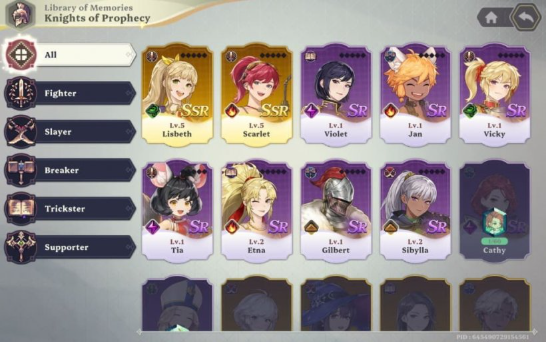
B. How tier lists rank knights (PvE/PvP damage, utility, and meta)
Most Goddess Order tier lists basically judge knights on a few things:
Damage profile
Single-target nuking (boss shredders) vs AoE wave clear (farming speed).
Utility
Crowd control (Freeze, debuffs), buffs, shields, healing, break gauge control.
Consistency
Do they do their job every run, or only when RNG feels kind?
Synergy
This game had strong “pair these two and watch them pop off” energy—especially with elemental/team synergy mechanics.
The big community sites also separate PvE and PvP because what wins bosses doesn’t always win Arena. Pocket Gamer explicitly stresses that PvP leans harder into CC + burst, while PvE can reward AoE and stable clearing.
C. The tier list sources everyone used (Kaiden, Pocket Gamer, Pro Game Guides, OSLink)
For a sane, cross-checked tier picture, these were the most referenced English resources:
Kaiden.gg (filterable by PvE/PvP, element, class, rarity)
Pocket Gamer (clear PvE vs PvP tiers + reroll notes)
Pro Game Guides (PvP-weighted tier explanations + reroll targets)
OSLink (2025 tier list overview that many players circulated)
I’m going to use the overlap between these sources to build a tier list that feels like “real player consensus,” not one person’s hot take.
II. S+/SS-Tier Knights (Meta Must-Haves)
When people say “SS tier,” they usually mean:
If you own them and invest properly, your account instantly feels like it’s playing a different game.
Pocket Gamer’s PvE S+ tier list (their top PvE bracket) is basically the cleanest “SS tier” baseline: Scarlet, Fenchela, Clerant, Dana, Siku.
A. Top DPS: Scarlet, Fenchela, Dana, Siku (and what they actually did for you)
Scarlet (PvE queen / boss bully energy)
Pocket Gamer flat-out calls Scarlet “absolutely amazing” for PvE and puts her at the very top of their PvE tier list.
Player explanation: Scarlet was the kind of DPS who didn’t just hit hard—she made runs stable because she scaled well and punished bosses over time (DoT/Burn mentioned in Pocket Gamer’s breakdown).
Why she felt SS:
Strong damage baseline (even without perfect gear)
Damage over time made bosses feel less “spiky”
Synergy hooks that rewarded building around her
If you had Scarlet, your PvE plan basically became: “Okay cool, now who supports Scarlet?”
Fenchela (the cleanest single-target killer)
Fenchela is consistently ranked as top-tier. Pocket Gamer lists her in PvE S+ and PvP S+.
In PvP, Pocket Gamer highlights her as a Wind-element Archer-type damage dealer who shines in 1v1 scenarios with strong multipliers.
Player explanation: Fenchela was the “delete the target” button. When you needed a boss to stop existing—or needed to burst someone before they could play their kit—Fenchela was the one you built.
Dana (the “DPS-support glue” that makes comps work)
Pocket Gamer places Dana in PvE S+ and specifically calls out how exceptional she is when paired with Scarlet.
They mention her synergy with Scarlet (same element synergy), plus that Dana boosts Fire damage, provides heals, and buffs.
Player translation: Dana wasn’t “just a healer.” She was the kind of support that made your carry feel like they had steroids.
If you were building a “safe progression” team, Dana was one of the easiest ways to keep your damage high while staying alive.
Siku (breaker/support hybrid with PvP relevance)
Pocket Gamer places Siku at the top in both PvE and PvP lists (PvE S+, PvP S+).
They describe Siku as a Breaker who can take down the Break Gauge and also support allies, especially with her unique relic, and she can grant herself a shield.
Player translation: Siku was valuable because she helped you control the tempo of fights:
break mechanics (huge in tough content)
support value
survivability tools that made her not explode in Arena
B. Sustain gods: Clerant, Leticia, Grace (the “keep my team alive / keep enemies miserable” crew)
Clerant (debuff + control = boss consistency)
Pocket Gamer lists Clerant in PvE S+ and says she’s a Water-type Trickster who inflicts debuffs like making enemies take more crit damage and can inflict Freeze.
Pro Game Guides also places Clerant as a top reroll target and rates her highly for PvE.
Player translation: Clerant was the kind of character you didn’t always “feel” in damage numbers, but you felt her in how smooth boss fights became. Freeze + debuff utility is the difference between “clean clear” and “wipe at 12%.”
Leticia (PvP monster / burst + control pressure)
Pocket Gamer ranks Leticia as PvP S+ and describes her as Electric element with strong damage in PvP; she’s one of the top PvP picks.
Pro Game Guides explicitly says the best SSRs for PvP include Leticia, Roan, Fenchela, Siku.
Player translation: Leticia was the “Arena is my home” pick. If you cared about PvP even a little, she was almost never a bad investment.
Grace (classic support value / strong enough to stay relevant)
Pocket Gamer places Grace in PvE S tier (just under S+) and Pro Game Guides lists her among the best SR characters overall.
Grace is the kind of unit tier lists usually place high because she’s reliable and fits multiple comps.
C. Why SS tiers dominated bosses and PvP
In a sentence:
PvE dominance came from reliable damage + control + sustain synergy (Scarlet/Fenchela/Dana/Clerant/Siku).
PvP dominance came from burst + CC + survivability tools (Leticia/Fenchela/Siku/Roan).
III. S-Tier Strong Picks (The “I Don’t Have SS, Am I Cooked?” Tier)
S-tier is where your account becomes functional even without the “perfect reroll.”
Pocket Gamer’s PvE S tier includes Grace, Roan, Leticia, Luna.
A. Versatile supports and secondary DPS: Roan, Luna, Etna
Roan (PvP relevance + team glue)
Roan is listed as a PvP top SSR by Pro Game Guides.
If you were trying to build a team that doesn’t crumble in Arena, Roan was often mentioned as a “stable core” pick.
Luna (consistent mid-to-high tier value)
Pocket Gamer lists Luna as PvE S and PvP S.
Pro Game Guides also places Luna among the best SSRs and reroll targets.
Player translation: Luna wasn’t always the flashiest, but she was the kind of unit that made your roster feel more “complete.”
Etna (strong but more comp-dependent)
Etna shows up as A-tier in Pocket Gamer’s PvE list (still very usable) and in lower PvP brackets.
Etna often played the role of “good filler” until you landed higher-impact SSRs.
B. F2P-friendly options for early/mid game
If you’re not swimming in SSRs, your job is to build:
one carry DPS,
one sustain/support,
one control/debuff or breaker.
The “F2P-friendly” angle comes from SRs that are placed high enough to carry you until SSR investments are ready—like Grace and Sarah/Cathy being relevant in certain PvP setups per Pro Game Guides.
C. Synergy with SS knights (the part tier lists don’t spoon-feed you)
The best S-tier characters aren’t just good alone—they become ridiculous when paired correctly.
Example synergy (straight from Pocket Gamer’s own notes):
Dana + Scarlet is a “match made in heaven” style pairing because Dana boosts Fire damage and supports Scarlet’s strengths.
IV. A-Tier and Viable F2P (The “They’ll Do the Job” Tier)
Pocket Gamer’s PvE A-tier includes: Etna, Sibylla, Cathy, Dionis, Olivet, Sarah.
These are the characters you build when:
you’re missing SS/S picks,
you need role coverage,
or you want niche counters for certain fights.
A. Reliable fillers: Sibylla, Cathy, Dionis, Olivet
Sibylla (solid utility / PvP relevance)
Pocket Gamer places Sibylla as PvP S-tier and PvE A-tier.
That’s classic “utility pick”: she shines more where CC and specific interactions matter.
Cathy (SR that actually matters)
Pro Game Guides calls Cathy one of the best SRs for PvP.
Pocket Gamer places her in PvP S tier and PvE A tier.
Player translation: Cathy was one of those SRs who “played above her rarity,” especially in PvP roles.
Dionis (niche utility / comp-dependent)
Dionis tends to be rated mid-high as a usable pick.
She’s not a universal carry, but if her kit matches what your team needs (control or debuff angles), she can be worth a slot.
Olivet (support option that’s rarely exciting, but sometimes necessary)
Olivet appears in mid-tier brackets across lists.
Some rosters end up needing “a support body” early, and that’s where Olivet can show value.
B. Event and niche counters
Goddess Order had content where debuffs, freeze, break gauge, or sustain mattered more than raw DPS. A-tier characters often shine when the content matches their niche—like a specific boss pattern where control tools matter.
C. Budget progression builds (how to gear A-tier without wasting resources)
For A-tier and below, your build philosophy is:
Don’t chase perfect gear first. Chase functional stats.
Level key skills that define their job (control uptime, sustain, break efficiency).
Don’t over-invest in “maybe later” units when your roster still lacks a stable core.
V. B/C-Tier and Skip List (The “Stop Spending Coins Here” Section)
Pocket Gamer’s lower tiers include:
B tier: Lisbeth, Violet, Jan, Gilbert, Aragon
C tier: Vicky, Tia
A. Low-priority SR/R knights like Sarah, Lisbeth (and why it depends)
Sarah is actually A-tier in Pocket Gamer PvE, and Pro Game Guides calls her one of the best SRs overall (depending on mode).
So Sarah is not a universal “skip.” She’s more like: “build her if she fills a gap.”
Lisbeth, though, often lands lower or more situational depending on the list.
B. When low-tier units have situational value
Low-tier units can still matter if:
you need a specific element for mono-element content,
you need a specific control effect,
you’re filling a “third slot” in tag team rotation and just need a body.
C. Who to avoid leveling (the simple rule)
Avoid heavy investment in units that:
don’t scale well,
don’t bring unique utility,
and are outclassed by both SSRs and high-performing SRs.
If a unit is C-tier on multiple lists, they’re a “keep at minimum investment” unit.
VI. Reroll and Beginner Tier Guide (Fast Start Without Regret)
A. Best SS/SR targets for reroll: Scarlet, Fenchela (plus the real reroll short list)
Pocket Gamer’s PvE top tier is basically the reroll wishlist: Scarlet, Fenchela, Clerant, Dana, Siku.
Pro Game Guides’ reroll target list includes Clerant, Dana, Fenchela, Luna, Leticia, Scarlet.
If you want a “stop rerolling and play” rule:
One top DPS (Scarlet or Fenchela) + one top support/control (Dana or Clerant) = good enough.
B. Starter team comps for PvE clears (easy template)
A clean early PvE team template looks like:
Carry DPS: Scarlet or Fenchela
Support / Buff / Heal: Dana or Grace
Control / Debuff / Break: Clerant or Siku
This gives you:
damage,
survival,
and control to stop fights from spiraling.
C. Safe F2P picks (if reroll luck hates you)
If you didn’t hit SSR dream pulls, focus on:
a strong SR support (Grace-type value)
and SR PvP tools like Cathy/Sarah if you care about Arena
VII. PvE Tier List (Bosses, Farming, Endgame)
A. Boss shredders (single-target DPS that actually ends fights)
Boss shredders were the stars because bosses punish “cute comps.” You need:
strong single target,
consistent damage windows,
and break/control to manage boss patterns.
Top boss core (most common SS/S overlap):
Scarlet
Fenchela
Clerant (debuff/control)
Dana (buff/heal)
B. AoE farming and wave clear rankings
Wave clear matters because you spend most of your time farming, not bossing.
For farming, your priorities shift:
AoE coverage
sustain so you don’t have to play perfectly every run
speed (shorter runs = more resources)
Even if Scarlet is a boss queen, your farming team might include different “comfort picks” depending on what keeps your clears consistent.
C. Endgame PvE teams (the “stable clear” philosophy)
Endgame PvE teams usually settle into:
one carry DPS,
one support/buffer,
one control/break specialist.
Because when content gets hard, “three DPS” becomes “three funerals.”
VIII. PvP Tier List and Meta (Arena)
Pocket Gamer’s PvP S+ tier is: Leticia, Fenchela, Siku.
Pro Game Guides also highlights PvP’s top SSRs: Leticia, Roan, Fenchela, Siku, and top SRs: Cathy and Sarah.
A. PvP meta knights and comps
PvP comps typically want:
burst (delete someone before they stabilize)
CC (turn off enemy turns)
survivability (shields/heals so you don’t explode)
That’s why Leticia/Fenchela/Siku show up constantly.
B. Tank/healer/support balance
Even in PvP, you don’t win with pure damage unless the meta is extremely unbalanced.
You want:
1 burst DPS
1 control/breaker
1 sustain/buffer
C. Counter picks and synergies
The biggest PvP mistake is copying “top tier units” without synergy. If your team:
can’t survive the first burst,
can’t control the enemy’s carry,
or can’t finish fights,
you’ll lose even with “S-tier” units.
IX. Element-Specific Tiers (Fire/Water/Wind/Earth/Electric)
Kaiden’s tier list explicitly lets you filter by elements like Electric, Fire, Water, Wind, Earth, and by classes like Breaker, Fighter, Slayer, Supporter, Trickster.
A. Element rankings (practical version)
Without pretending we have perfect “mono element meta charts,” here’s what mattered:
Fire teams often centered around Scarlet/Dana synergy.
Water benefited heavily from control/debuff value like Clerant’s Freeze and crit damage debuffs.
Wind leaned into Fenchela’s single-target destruction.
Electric shined in PvP pressure with Leticia at the top end.
B. Elemental advantages in PvE/PvP
Element matters more when:
content punishes you for mismatched damage types,
or when synergy passives/relic effects reward same element.
C. Best mono-element teams (concept templates)
Fire mono template: Scarlet + Dana + flexible third (support/control)
Water mono template: Clerant + Siku + sustain/utility
Wind mono template: Fenchela + control + sustain
Electric mono template (PvP leaning): Leticia + Roan + control piece
X. Rarities and Pull Priorities (SSR vs SR, banners, and “pity value”)
A. SSR vs SR tier comparisons
Kaiden’s tier list lets you filter by SSR vs SR and shows that the roster is basically split into those rarities for the main cast.
In practice:
SSRs define your ceiling.
SRs define your early stability (and sometimes PvP niche).
B. Banner targets and “spark value”
In a healthy gacha, you’d talk about “spark/pity planning.” In Goddess Order’s case, the shutdown news changed priorities fast.
If you were playing before EOS, the smart banner mindset became:
only pull if it meaningfully upgrades your core team now,
don’t chase “collection” unless that’s your personal fun.
C. Limited/event knight tiers
This section is tricky because post-shutdown, “future banners” don’t matter. But historically, limited units would typically be judged by:
whether they powercrept an SS slot,
or whether they offered unique utility.
XI. Builds and Gear Priority (Skill Order, Weapons, Stats)
Here’s where I’m going to be super player-honest: most guides overcomplicate builds. The better approach is role-first.
A. Skill upgrade order by tier (simple rules)
Carries (Scarlet/Fenchela): upgrade the skills that increase single-target damage and uptime first
Supports (Dana/Grace): prioritize buffs/heals that keep your carry alive and boosted
Control/Debuff (Clerant): prioritize debuff uptime and CC reliability
Breaker (Siku): prioritize break gauge tools + survival tools
Pocket Gamer’s descriptions support this logic: Dana is highlighted for buffs and healing; Clerant for debuffs/Freeze; Siku for break gauge and shields.
B. Artifact/weapon rankings for top knights (how to decide without a spreadsheet)
Ask:
Does this weapon increase my role value? (carry damage / support uptime / control reliability)
Does it scale with stats I’m already building?
Does it make my team more consistent?
If the weapon only makes your best-case scenario stronger, but doesn’t help consistency, it’s usually a trap.
C. Stat priorities (crit, ATK, HP) by role
DPS: ATK + crit consistency (rate/damage depending on kit)
Support: survivability first, then uptime
Control: survivability + effect reliability
Breaker/tank-ish: HP/DEF/survival tools
XII. Team Comps by Content (F2P, Whale PvP, Boss Teams)
A. F2P starter teams
F2P PvE starter template:
Carry DPS (Scarlet or Fenchela)
Support (Grace/Dana)
Utility (Clerant/Siku/Cathy depending on what you own)
B. Whale PvP squads (the “I have SSRs, now what?” plan)
High-end PvP commonly circles around:
Leticia + Fenchela/Siku + Roan control/sustain structure
C. Boss/event optimized lineups
Boss lineups focus on:
single-target DPS + debuff amplification + sustain
That’s basically the Scarlet/Fenchela/Dana/Clerant ecosystem.
XIII. Updates and Meta Shifts (2025–2026 timeline + EOS implications)
A. 2025–2026 service issues that shaped the meta
Official reporting showed the game halted new content updates in early November 2025 due to financial/operational issues, and paid item sales were suspended.
Then shutdown announcements followed, and the game was reported to end service on January 31, 2026.
B. New knight evaluations (why late-tier lists froze)
Pocket Gamer even notes that after the shutdown announcement, they wouldn’t update their tier list further.
That’s why the “final meta snapshot” is basically anchored around the same SS cores we’ve discussed.
C. EOS implications for late players
If you were a late player (or returning player) right before shutdown, the smartest approach was:
stop chasing long-term investments,
build the fastest “power now” team,
and prioritize consistent clears over experimental builds.
And yeah—this is also why tier lists still matter. If you only had limited time, you needed a blueprint.
XIV. Community and Tool Resources (Kaiden, Discords, TierMaker, YouTube)
A. Kaiden.gg and filters (the most “usable” tier tool)
Kaiden’s tier list is built around filters for:
Game mode (Generic PvE / Generic PvP)
Elements (Electric/Fire/Water/Wind/Earth)
Classes (Breaker/Fighter/Slayer/Supporter/Trickster)
Rarity (SSR/SR)
That’s exactly how a player should think. Not “who is S tier,” but “who is S tier for the content I’m doing.”
B. Reddit/Discord discussions
If you were actively playing, Discord communities were where:
people shared build testing,
talked about reroll targets,
and discussed whether PvP was worth investing into.
C. YouTube guides and reviews
YouTube was mostly useful for:
seeing how tag-team swaps were executed,
watching boss patterns,
and understanding PvP burst windows.
If you’re looking for the cleanest, most player-true summary of the goddess order tier list meta:
PvE SS/S+ cores were basically Scarlet, Fenchela, Clerant, Dana, Siku—the combo of damage, control, buffs, and break utility that made bosses and farming consistent.
PvP top end leaned on Leticia, Fenchela, Siku (with Roan/Cathy/Sibylla as strong supporting pieces depending on your roster).
The game’s lifecycle got hit hard: content halted early (Nov 2025) and service was reported to end on Jan 31, 2026, which froze the meta and made “build the best now” the only sane strategy.