Delta Force Game Modes — What Worked for Me and What You Should Know
If you’re reading this, you might have heard about Delta Force — the rebooted tactical shooter that’s been making waves lately. I jumped in with zero expectations, just curious to see if it lives up to the hype. Turns out: I’m kinda hooked.
Delta Force isn’t a one-trick pony. Instead of just being “another FPS,” it delivers a handful of distinctive modes, each with its own vibe, pace, and risk-reward curve. Whether you want chaotic 32v32 warfare, high-stakes extraction, or cinematic co-op, there’s something for you. As someone playing across PC and console, I’ve gotten to feel the highs, the lows, the wins, and the wipes.
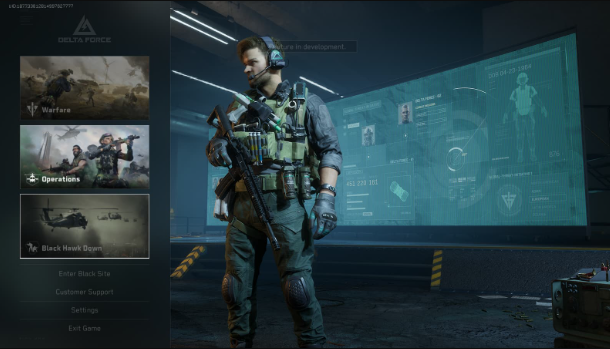
In this write-up, I’ll walk you — in plain player-to-player talk — through all the core game modes, how they work, what they’re good for (and not good for), and how you can make the most of them. Consider it a friendly guide, not a marketing pitch.
I. What is Delta Force (and Why the Mode Variety Matters)
A. Game Overview: Tactical Shooter With Depth
Delta Force is a modern free-to-play first-person shooter that brings back the classic’s spirit, but through today’s lens: big battles, customizable operators, vehicles, and cross-platform play across PC, console, mobile.
It tries to balance between gritty tactical combat and accessible fun. The gunplay feels weighty, hits land, gear matters — so even if you’re not hitting 360-no-scopes, smart positioning, teamwork, and loadouts still let you carry your weight.
B. Developer & Cross-Platform Ambition
Developed by Team Jade together with TiMi Studio Group, Delta Force launched on PC first (late 2024), then moved to consoles around August 2025, and also rolled out mobile versions.
That cross-platform ambition matters. Whether you’re on mouse-keyboard, controller, or touchscreen — game modes and progression (mostly) carry over. You can drop in with friends regardless of platform, which makes picking modes and jumping in way more flexible.
C. Multiple Game Modes = Something for Everyone
Delta Force doesn’t try to force everyone into one mode. Instead, there are three main “pillars”: large-scale PvP (Warfare), extraction-style risk/reward (Operations), and a remake of the classic story campaign (Black Hawk Down).
Whether you like frantic objective fights, strategic looting, or story-driven co-op — there’s room for you. And that’s rare nowadays in a free-to-play shooter.
D. Separate Progression but Shared Experience
Progression — unlocking operators, gear, weapons — works across modes and platforms. So if you grind in Warfare and unlock a cool gun or operator, you can take it to Operations or campaign (when available).
That shared progression means playing different modes doesn’t feel like starting over: it feels like building your arsenal and experience no matter how you like to play.
E. Ideal for Different Player Types
You like big chaos and vehicle mayhem → Warfare.
You prefer high-risk, high-reward stealth/loot missions → Operations.
You enjoy narrative, co-op or want to practice without PvP pressure → Campaign (Black Hawk Down).
For me, mixing all three prevents burnout — some nights I just want fast kills, others I want the adrenaline of extraction, sometimes I’m down for story.
II. Warfare Mode — The All-Out Battlefield
A. Warfare Mode Fundamentals
Massive scale PvP: 32 vs 32 (64 players total) on large maps, using infantry, vehicles (tanks, helicopters, etc.), and combined arms tactics.
Infantry + Vehicle & Ai Gear: Everything from boots on the ground to tanks and aerial units — for those who love the chaos of modern warfare.
Operator classes & squad system: You pick a class (Assault, Recon, Support, Engineer, etc.), squad up, and contribute with your role. Coordination matters more than solo-hero plays.
Weapon & attachment progression: As you play, weapons and attachments unlock and improve — letting you tailor loadouts to your style (close-quarters, long-range, vehicle support, etc.).
Bottom line: Warfare is “all-out war” — big maps, chaos, vehicles, big fights. Great for players who love unpredictability, scale, and mixing tactics with raw firefights.
B. Warfare Game Mechanics
1. Objective Attack/Defense & Team-Based Scoring
Most Warfare matches use capturing or defending objectives rather than pure kill-the-other-team. This makes squad coordination and tactical pushes more important than just run-and-gun.
A classic example: Attack and Defend — attackers push to capture sectors, defenders hold them down, with reinforcements and tactical gear in play.
2. King of the Hill & Other PvP Variants
Besides standard objective mode, there are King of the Hill–style modes (zone control), smaller-scale PvP, and even more focused “Team Deathmatch / smaller skirmish” modes added over time to give variety.
3. Scorestreaks / Tactical Gear & Vehicle Use
Warfare isn’t just gun fights. There are tactical layers: vehicles, air support, different roles (engineer, recon, etc.). Your team's ability to pick the right tool for the job — tank push, air cover, infantry flank — can turn the tide.
C. What Warfare Feels Like (From My Time)
Chaos, noise, movement, explosions — it’s full-on. But when you coordinate with a squad? It feels epic.
Every match feels different depending on map, vehicles, team comp.
Ideal if you only got 20–45 minutes: quick spawn cycles, action-heavy — no long waits.
Sometimes overwhelming when solo or randoms don’t cooperate — but that’s true of any big team shooter.
III. Operations Mode (Extraction & Tactical PvPvE)
Warfare satisfies when you want chaos. But sometimes you want tension. Enter Hazard Operations (the extraction shooter mode in Delta Force).
A. What Is Operations Mode
It’s PvPvE: you squad up (usually 3-man), drop into a map, loot valuables, fight other players and AI, then extract before dying. If you die — you lose most of your loot.
Risk vs Reward is real: great loot but high stakes. That tension makes each move matter more than a spray-and-pray firefight.
B. Mechanics, Loot & Extraction
You go in with what you bring; deaths often mean losing gear, ammo, loot — so planning, stealth, and survival matter more than speed.
Extraction zones, safe-box loot, and limited extraction opportunities — so timing and decision-making matter.
Some PvE content / raid-type missions included for those who don’t want PvP or want to grind loot with friends.
C. What Operations Feels Like
Every sound, every step is anxiety-filled — perfect if you love tension. A lot more slow-burn than Warfare.
It’s ideal with friends: solo squads tend to get stomped, loot lost. Teamplay, communication, trust — that’s the meta.
Feels rewarding when you walk out with good loot. Feels terrible when you wipe and lose everything.
A mode where patience, stealth, and smart decisions pay — less about reflexes, more about brain + heart.
D. For What Kinds of Players Operations Works
Risk-loving players who like thrill, tension, and stakes.
Teams/friends who coordinate well.
Players who enjoy looter-shooter vibe (gear grind, survival, loot-or-lose).
Those tired of mindless frag-fest and want something with consequences.
IV. Story Campaign — Black Hawk Down Remake
Delta Force doesn’t forget its roots. There’s also a story-driven co-op / single-player campaign: the remake of Black Hawk Down — the classic war film/video-game crossover.
A. Why It Matters
If you’re tired of PvP or extraction stress, campaign offers structured missions, clear goals, co-op or solo friendly — a break from “shoot or die.”
Great for learning mechanics, controls, and different roles without worrying about other players.
Campaign missions can feel intense and cinematic — good story, atmosphere, and challenge.
B. What to Expect (From Early Info + Beta Teases)
Missions inspired by classic engagements, with mixed combat: indoor, urban, vehicle, tactical warfare.
Variety: from stealth to full-on firefights, meaning players can try different classes/loadouts in safer environment than PvP or extraction.
C. Who Should Play Campaign
New players — to learn everything at their own pace.
People who like story and immersion more than chaotic shooters.
Anyone needing a chill but satisfying break from competitive modes.
V. Mode Rotation, Variants & Updates — Why Delta Force Keeps It Fresh
One thing I’ve appreciated: Delta Force doesn’t stay static. The devs add new maps, tweak modes, and even introduce smaller variants to keep things lively.
Example: new mini-modes like “Team Deathmatch” or “Air Superiority” (vehicle-focused) get added to shake up the formula.
Seasonal updates add vehicles, maps, operators — refreshing the meta and giving long-time players a reason to come back.
Rotational map/mode playlists, which helps avoid burnout and over-familiarity.
For me, having variety means I don’t burn out on one mode: I can hop between Warfare, extraction, campaign, or even smaller quick-match modes depending on how I feel and how much time I have.
VI. How I Personally Mix Modes (And My Playstyle Suggestions)
Here’s how I approach Delta Force these days — based on what kind of session I want (quick, chill, intense, strategic):
| Mood / Time | Mode I Jump Into | What I Focus On |
|---|---|---|
| Got 20–45 min, want fast action | Warfare (King of the Hill / Team Deathmatch) | Aggressive loadout (AR/SMG), fast kills, fun, minimal gear stress |
| Want thrill + high stakes + squad with friends | Operations (Hazard Ops) | Stealth / coordination, loot run, extraction, high tension |
| Want chill, co-op, learn mechanics / test guns | Campaign (Black Hawk Down) | Strategy, story, different classes/roles, test builds/loadouts |
| Need a change of pace / meta freshener | Rotational / Seasonal Modes | Try new maps, vehicles, toys, meta-shifting fun |
If I were you and just starting, here’s what I’d do:
Start with a few Warfare matches — learn shooting, recoil, aiming, maps.
Switch to Campaign — get comfortable with controls, classes, weapons without pressure.
Once you’ve got gear and gun comfort, try a squad-based Operations run with friends or chill players.
Rotate occasionally — grab new modes, updates, or seasonal events to keep things fresh.
VII. Strengths & Weaknesses (Based on Modes)
What Delta Force Does Right
Mode variety — not stuck to one formula; accommodates many playstyles.
Free-to-play + fair design — devs claim no pay-to-win, with cosmetics and fairness prioritized.
Cross-platform & shared progression — I can hop between PC and console without losing progress.
Tactical depth + flexibility — big maps, vehicles, class variety, squadwork — not just run-and-gun.
Replayability through updates — new maps, modes, enhancements keep me coming back.
Where It Hits Rough Edges
Team dependency — especially in Operations or objective Warfare mode, random teammates can make or break match outcomes.
Loot-loss risk in extraction — dying often means losing loot, which can feel harsh after a long run.
Learning curve — many attachments, vehicles, and tactical layers can feel overwhelming for new players.
Occasional imbalance or chaotic matches — big numbers + vehicle + players can make randomness more prominent than skill.
VIII. Final Thoughts — Which Mode Should You Try First?
If you’re reading this to decide whether to try Delta Force — I’d say go for it. But pick your entry mode based on what kind of experience you want:
New to shooters, want quick fun → Jump into Warfare (easy entry, fast action).
Like stories, testing, learning → Try Campaign / Co-op missions.
Want thrill, tension, and teamwork → Go for Operations (with friends if possible).
Want variety and freshness → Mix it up, rotate modes, stay flexible.
Delta Force doesn’t force you into a single loop. It gives choices — and that flexibility is its biggest strength.
If you want — I can also throw together a “Recommended First-3 Setup (Loadouts + Classes + Mode Combo)” that works well for beginners. Want me to build that for you now