Honkai Star Rail Tier List 2026: Best Characters, Meta Teams, and Smart Investment Picks
A honkai star rail tier list is basically a shortcut for players who do not want to waste weeks building a character, only to realize that the unit needs too much investment, only works in one mode, or has already been pushed down by newer team archetypes. I do not treat tier lists as holy law, but I do think they are useful when you are deciding where to spend Trailblaze Power, Stellar Jade, relic resin, light cone materials, and Eidolon pulls.
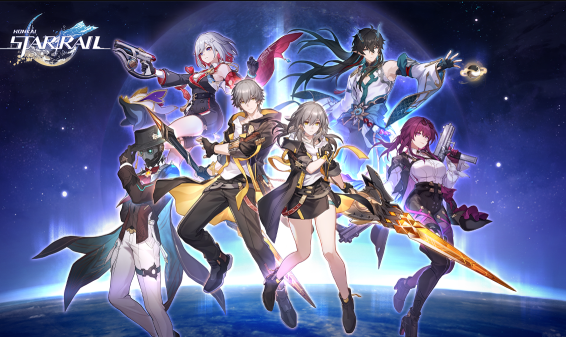
As of Version 4.4 in July 2026, the meta is not just about one big DPS carrying every mode. Honkai: Star Rail now asks different things from your account depending on whether you are playing Memory of Chaos, Pure Fiction, Apocalyptic Shadow, Simulated Universe, or newer challenge formats. Prydwen’s current tier list was updated on July 15, 2026 and separates performance by Memory of Chaos, Pure Fiction, and Apocalyptic Shadow, which already tells you the most important point: one character can be amazing in one mode and only decent in another.
The current 4.4 banner cycle also matters because HSR’s pull decisions are always tied to what is available right now. Version 4.4 started on July 15, 2026, with Himeko Nova as a new featured five-star, alongside reruns and ongoing Fate collaboration banners, while Version 4.5 is expected to bring summer-themed Robin Summeretto and Aventurine Waveflair as new five-star characters. So this tier list is not just about who is strong on paper. It is about who helps your account today, who stays useful tomorrow, and who is worth building if you are not spending heavily.
I. Introduction to Honkai Star Rail Tier List
A Honkai Star Rail tier list ranks characters based on how well they perform in real gameplay, especially in endgame modes where enemy HP, mechanics, weakness bars, and cycle limits actually punish weak team building. For casual story content, you can clear with almost anyone if your relics and team structure are reasonable. But once you start chasing full stars in Memory of Chaos, high scores in Pure Fiction, and clean boss clears in Apocalyptic Shadow, character value becomes much easier to feel.
Tier lists matter in Version 4.4 because the game has moved far beyond the old “one hypercarry plus three supports” mindset. Hypercarry teams are still alive, but Break teams, follow-up attack teams, debuff-heavy teams, DoT teams, Erudition wave-clear teams, and Remembrance-style setups all fight for space now. That is why older rankings can feel wrong even if the character did not directly get nerfed. Sometimes the enemies changed. Sometimes the blessing changed. Sometimes a new support made a forgotten unit better.
The main endgame shift is that different modes reward different strengths. Memory of Chaos usually values focused damage and strong boss killing. Pure Fiction heavily rewards AoE, frequent actions, and wave-clearing. Apocalyptic Shadow cares a lot about boss mechanics, weakness breaking, and controlled burst windows. Prydwen’s own explanation says MoC favors blast and single-target damage, Pure Fiction favors AoE, and Apocalyptic Shadow heavily favors single-target and Break potential.
II. Tier Ranking System Explained
For this guide, I am using a simple player-friendly ranking system. T0 means the character is an apex meta unit. These are characters that can carry accounts, fit into powerful team cores, or remain valuable across multiple endgame modes. They are not always perfect, but they usually justify investment even for cautious players.
T0.5 means elite performers with small limitations. Maybe they are amazing in one mode but less universal. Maybe they need specific teammates. Maybe they are extremely strong but require better relics, signature light cones, or careful SP management. I still consider T0.5 characters premium investments, just not completely brainless.
T1 characters are excellent and consistent. These units are worth building if you like them or if your account needs their role. They may not define the entire meta, but they can clear high-level content when placed in good teams. T2 to T5 characters range from usable to situational to outclassed. Some of them are still fun, and some can work with heavy love, but they are rarely the first recommendation for a new account trying to progress efficiently.
III. Top-Tier DPS Characters
For DPS, the strongest characters are usually the ones that either abuse a top mechanic or have enough raw output to ignore messy situations. Firefly and Boothill remain important names when talking about Break-focused damage. Firefly shines when the team enables Super Break and Fire weakness interactions, while Boothill is scary in boss-focused content where single-target Break damage gets real value. They are not just “hit hard” units; they are characters built around breaking the enemy’s Toughness bar and turning that moment into massive damage.
Acheron continues to stand out because she plays by her own rules. Instead of relying on normal Energy patterns, she wants debuff stacking and Nihility-style support. When her team is built properly, her Lightning damage can wipe difficult fights with huge ultimate pressure. Aglaea, depending on the available support core and encounter type, fits more naturally into summon or follow-up flavored discussions, especially when the meta rewards extra actions and repeated pressure.
The Herta is one of the clearest examples of a character whose value changes by mode. In Pure Fiction-style wave content, AoE Erudition damage is king, and characters who can hit multiple enemies repeatedly become far more valuable than single-target nukers. The Herta’s appeal is that she does not just clear one enemy; she cleans the board.
Imbibitor Lunae still deserves respect for single-target and blast damage, especially in teams that solve his SP hunger. He is not always the easiest DPS to run casually, but when supported by Sparkle or other SP-friendly buffers, he can still hit extremely hard. The only issue is that modern HSR has more specialized archetypes now, so raw power alone is not always enough to be the universal best.
IV. Top-Tier Support Characters
Support characters are the real account-makers in Honkai: Star Rail. DPS units come and go, but top supports age better because they make multiple teams stronger. Ruan Mei is still one of the most comfortable supports in the game because Break efficiency, damage buffs, speed value, and teamwide utility all matter across many archetypes. She is the kind of support that makes average teams feel cleaner and strong teams feel unfair.
Sparkle remains great for SP-hungry hypercarry teams. If you like Imbibitor Lunae, Qingque, or any DPS that wants to use Skill often, Sparkle makes the rotation feel smoother. Robin is one of the best supports for follow-up attack and multi-action teams because her teamwide offensive value rewards characters that act frequently.
Sunday and Jiaoqiu are strong because modern team building often revolves around enabling a specific carry rather than just throwing generic buffs around. Sunday-style advancement and buffing can make summon or carry-focused teams feel much faster, while Jiaoqiu’s debuffing works especially well with characters who scale from enemy debuffs, such as Acheron-style setups.
Silver Wolf still has a special place because weakness implant is always useful when your account lacks coverage. She may not always be the highest-damage support, but for smaller accounts, forcing the enemy to accept your element can be huge. Welt brings crowd control and delay value, while Gallagher remains one of the best low-rarity supports for Break teams because he combines sustain, utility, and Break-friendly pressure.
V. Sustain and Survival Units
A good sustain does not just keep your team alive; it lets your DPS play aggressively. Huohuo is valuable because she combines healing with Energy and offensive utility. She is especially nice for teams that want smoother ult cycles. Lingsha has strong healing and Break-related utility, making her more than just a safety pick. Lynx is still a useful budget healer, especially for players who need cleanse or a simple sustain option without pulling limited five-stars.
Fu Xuan remains one of the most comfortable defensive units because she reduces the chance of sudden deaths. She is not just a shield or heal button; she changes how damage is distributed and makes fragile teams feel safer. Gepard is more old-school, but strong shielding can still help if you lack premium sustain. He may feel slower than newer sustain units, but he is not useless.
Bailu is fine for early-game healing, but her lack of cleanse hurts later. She can keep people alive, yet endgame mechanics often demand more than raw healing. Remembrance Trailblazer, depending on the version’s available kit and team environment, fits more like a hybrid sustain or utility pick rather than a pure healer. For F2P players, Trailblazer forms are always worth watching because they can open team archetypes without requiring limited pulls.
VI. Erudition and AoE Specialists
Erudition characters live and die by content design. In Pure Fiction, they often look incredible because the mode rewards constant multi-target damage. Himeko and Herta are the classic examples. Himeko loves enemy waves and weakness breaks, while Herta punishes enemies dropping below HP thresholds with repeated follow-up attacks. They are not always top-tier in boss-only fights, but in wave content, they can feel like cheat codes.
Serval is a solid Lightning AoE option for newer accounts, especially when enemies line up with her element. Qingque is a funny case because she can hit way above her rarity when luck, SP, and investment line up. She is not always smooth, but players who enjoy her tile-based playstyle can get strong results.
Pure Fiction is where AoE dominance becomes obvious. A single-target monster can feel awkward when enemies keep spawning in waves, while Erudition characters can farm points naturally. This is why tier lists must separate modes. If someone says a character is “bad” because they are weak in MoC, check Pure Fiction before writing them off.
VII. Break and Weakness Mechanics
Break mechanics are one of the biggest reasons the modern meta feels different from early HSR. Every enemy has a Toughness bar, and when you attack with matching elements, you reduce that bar. Once the bar breaks, the enemy becomes vulnerable, delayed, and open to extra damage depending on the element and team setup.
Fire, Imaginary, and Physical breaks are especially popular because many top Break characters and supports interact well with them. Firefly abuses Fire weakness and Super Break-style damage. Boothill turns Physical Break into scary boss-killing power. Imaginary break and delay effects also matter when you want to control enemy turns.
Quantum, Lightning, and Ice breaks are still useful, but their value depends heavily on enemy lineup and team design. The real lesson is not “one element is always best.” The real lesson is that weakness coverage matters. If your account can only deal one element well, you will eventually run into enemies that slow you down.
Super Break DMG is the reason Break teams feel so explosive. Instead of only caring about traditional CRIT stats, these teams care about Break Effect, Toughness damage, speed, and enablers. That is why Ruan Mei, Gallagher, Harmony Trailblazer-style kits, and similar supports can change a Break DPS from decent to terrifying.
VIII. Follow-Up Attack Archetypes
Follow-up attack teams are some of the most satisfying teams to play because they feel active even outside normal turns. Topaz & Numby and Dr. Ratio are classic FUA partners because Topaz increases follow-up value while Ratio wants debuffs and repeated targeted pressure. When the setup works, the enemy feels like it is getting attacked nonstop.
Aventurine is one of the best sustain units for follow-up teams because he protects the party while also contributing offensive follow-up pressure. That kind of role compression is valuable. You are not just bringing a defensive unit; you are bringing someone who participates in the team’s damage pattern.
Jing Yuan and Lightning Lord have had ups and downs over the game’s history, but the core idea is still cool: build around a powerful delayed follow-up strike and support it properly. Clara remains a counter-based unit who performs best when enemies hit her often. Yanqing has follow-up elements, but his need to avoid damage makes him awkward compared with newer carries. Arlan is more niche, built around HP sacrifice-style gameplay, and usually needs too much care to recommend for efficient progression.
IX. Endgame Content Focus
For Memory of Chaos, I value strong single-target, blast, and boss-killing teams. Acheron, Firefly, Boothill, Imbibitor Lunae, and other focused damage dealers can perform well depending on weaknesses and turbulence. Supports like Ruan Mei, Sparkle, Robin, Sunday, and Jiaoqiu often decide whether these carries feel smooth or clunky.
For Pure Fiction, AoE and frequent actions matter more. The Herta, Herta, Himeko, Jade-style units, and other Erudition or follow-up attackers tend to gain value here. A character who feels average in MoC can become a top performer in Pure Fiction simply because the rules reward them.
For Apocalyptic Shadow, boss focus and Break value become more important. Boothill, Firefly, and other characters that can pressure Toughness bars efficiently tend to feel strong. Apocalyptic Shadow is also where sustain and timing matter, because a failed break window or wasted burst can ruin a run.
For Simulated Universe and Swarm Disaster-style content, blessings can completely change the rules. Elation can make follow-up teams hilarious, Destruction can reward risky bruiser teams, Remembrance can turn freeze and control into a strategy, and Nihility can make DoT teams pop off. This is why you should not judge a unit only by one mode.
X. Team Building and Synergies
Hypercarry teams are still simple and effective: one main DPS, two supports or debuffers, and one sustain. This works well for characters like Imbibitor Lunae, Acheron, or any carry that wants the whole team built around them. The key is making sure the support package matches the DPS instead of just using your strongest-looking units.
Break teams are more specialized. They want Break Effect, speed, Toughness damage, and enablers that turn broken enemies into damage windows. Firefly and Boothill are the obvious examples, but the team around them matters just as much as the carry. DoT teams are different again, focusing on damage over time, enemy turns, and debuff stacking.
F2P-friendly teams usually rely on free or accessible units like Trailblazer forms, Gallagher, Lynx, Pela, Asta, Herta, Serval, and Qingque. These teams may not look fancy, but they can clear a lot if you build them properly. Premium teams, on the other hand, use limited supports, signature light cones, and optimized relics to push faster clears and higher scores.
XI. Version 4.4 Meta Shifts and Patch Notes
Version 4.4’s biggest practical meta shift is availability. Himeko Nova is the new Phase 1 character, while Sparxie, Dan Heng Permansor Terrae, and Evernight rerun in the first part of the patch. Phase 2 is expected to bring reruns for Cerydra, Anaxa, and Aventurine, while Rin Tohsaka and Gilgamesh join the long-running Fate collaboration banner system starting July 24.
The Robin Summeretto reveal is important because she is expected in Version 4.5 as a new five-star rather than a simple costume. PC Gamer’s banner tracking notes that Robin Summeretto and Aventurine Waveflair are brand-new five-star characters planned for Version 4.5. That means players should be careful with pulls in 4.4 if they care about upcoming supports, sustain units, or new archetypes.
Previous top-tier units are not suddenly bad just because new banners arrive. Firefly, Acheron, Ruan Mei, Robin, Sparkle, Aventurine, and other strong units remain valuable because their kits solve real problems. The future prediction is simple: characters with unique mechanics, teamwide value, or role compression will age better than plain damage dealers.
XII. Light Cones, Relics, and Eidolon Investment
For top-tier DPS units, signature light cones are often strong but not always mandatory. Acheron likes light cones that support her damage and debuff-related playstyle. Firefly and Boothill care about Break-oriented stats and team support. The Herta wants Erudition-friendly damage tools. Imbibitor Lunae wants strong damage scaling and SP support around him.
Relic farming should be practical. Do not farm perfect pieces too early. Get correct main stats first, then improve substats slowly. A usable set with good speed tuning and correct main stats often beats a “perfect set bonus” with terrible rolls. For Break teams, Break Effect and speed matter. For CRIT carries, CRIT Rate, CRIT DMG, ATK, and speed matter. For sustain, HP, DEF, Effect RES, speed, and outgoing healing can matter depending on the unit.
Eidolon investment should be selective. Some E1 or E2 upgrades are account-changing, but many players are better off pulling a new support instead of forcing Eidolons on one DPS. For F2P players, one copy of a strong limited five-star plus a decent light cone alternative is often enough. Do not chase Eidolons unless you already understand why that Eidolon changes your team.
XIII. F2P vs. Premium Character Viability
The best F2P units in 2026 are the ones that keep giving value without needing rare resources. Herta is amazing for Pure Fiction investment. Pela remains useful because defense shred and debuffing are always relevant. Asta can still help speed and Fire weakness scenarios. Gallagher is excellent for Break teams. Lynx gives accessible healing and cleanse. Trailblazer forms can open entire archetypes for free.
Four-star hidden gems are worth respecting. Qingque can hit hard with investment. Serval is useful for Lightning AoE. Hanya can help SP and speed needs. Tingyun, where available and relevant, has always been one of those supports players remember because Energy and damage buffs are so practical.
When deciding whether to invest in limited five-stars, ask one question: does this character solve a problem my account has? If you lack sustain, Aventurine, Fu Xuan, Huohuo, or Lingsha-type units may be more valuable than another DPS. If you lack supports, Ruan Mei, Robin, Sparkle, Sunday, or Jiaoqiu-style units can raise multiple teams. If you already have supports but lack damage, then a top DPS makes sense.
XIV. Community Tier Lists and Meta Discussions
Reddit, Discord, YouTube, and guide sites are all useful, but they each have bias. Reddit is great for debate and player experience, but opinions can swing hard after one new mode. Discord can be fast, but it can also overreact. YouTube guides are helpful when they show real clears, but some recommendations are shaped by whale-level accounts.
Influencer recommendations are best when they explain why a character works, not just where they rank. Usage statistics are also useful, but they need context. A character might have high usage because many players own them, not because they are always the best. A character might have low usage because they are rare, not because they are weak.
Controversial tier placements happen because HSR is mode-dependent. A Pure Fiction monster may look overrated to a MoC-focused player. A boss killer may look bad to someone who mostly farms wave content. That is why the best honkai star rail tier list should always explain role, mode, and investment level.
XV. SEO and Keyword Integration Strategy
For the keyword honkai star rail tier list, the best related phrases include HSR tier list, best Honkai Star Rail characters, Honkai Star Rail best DPS, HSR best support, HSR Pure Fiction tier list, Memory of Chaos tier list, Apocalyptic Shadow rankings, best F2P characters HSR, Honkai Star Rail meta, and best HSR team comps.
Semantic keyword placement should feel natural. Put the main keyword in the title, introduction, one or two headings, and conclusion. Then use related terms throughout the article. Do not repeat “honkai star rail tier list” every sentence because that makes the article feel spammy and unpleasant to read.
Avoiding keyword stuffing is simple: write like a real player. Talk about characters, teams, modes, relics, light cones, and investment decisions. Google understands related context better than old-school exact-match repetition, and readers will stay longer if the article actually helps them.
XVI. Content Optimization for Search Engines
A strong meta title could be: Honkai Star Rail Tier List 2026: Best HSR Characters for Version 4.4. It includes the keyword, the year, and the current version. A good meta description could be: Check the latest Honkai Star Rail tier list for Version 4.4, including best DPS, supports, sustain units, F2P picks, and endgame teams for MoC, Pure Fiction, and Apocalyptic Shadow.
Image alt text should describe what the image actually shows. Good examples include “Honkai Star Rail tier list 2026 best DPS characters,” “HSR Version 4.4 support character rankings,” and “Best Pure Fiction characters in Honkai Star Rail.” Internal links should point to related guides like best light cones, best relic sets, beginner team comps, Stellar Jade farming, and Pure Fiction strategy.
FAQ schema is useful because players search direct questions like “Who is the best DPS in Honkai Star Rail?” or “Which HSR character should I pull?” A clean FAQ section can help search visibility while also making the article easier to scan.
XVII. Conclusion and Call to Action
This honkai star rail tier list deserves attention because HSR in 2026 is not a one-team game anymore. The best character for your account depends on your roster, your favorite mode, your relic quality, and how much you are willing to invest. Firefly, Boothill, Acheron, The Herta, Ruan Mei, Robin, Sparkle, Sunday, Aventurine, Huohuo, Lingsha, and other premium units all have strong arguments, but they do not all solve the same problem.
My final advice is simple: build around roles before chasing rankings. Get at least one strong DPS team, one reliable sustain, and a few flexible supports. Then expand into Break, follow-up, DoT, or AoE teams based on the content you care about most. If you are F2P, do not feel pressured to pull every shiny unit. Supports and sustain characters usually keep your account healthy longer than random damage dealers.
The dream HSR team is not always the one sitting at the top of someone else’s chart. It is the team that clears your content, fits your playstyle, and makes you actually want to log in. Keep checking patch changes, compare community opinions, and update your builds slowly. The meta will shift again, but smart investment will always pay off.